Industry News
How to Treat Runner's Knee: An Elite Recovery Guide
Written by
Drew Lee
Learn how to treat runner's knee effectively with expert strategies designed for high-performance athletes to maintain career longevity.
<p>In short: how to treat runner's knee is worth getting right. Here's what matters most for your situation.</p>
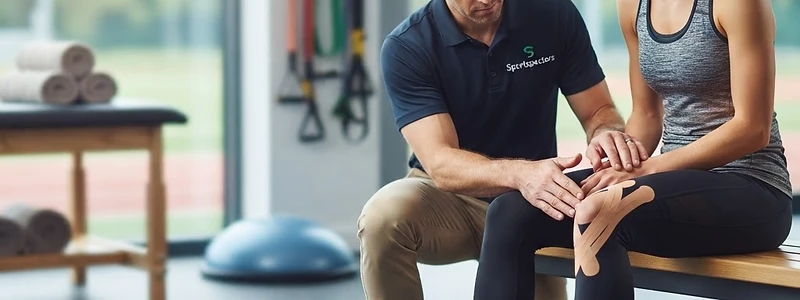
<figure style="margin:0 0 24px 0;"><img src="https://media.base44.com/images/public/6a6e5d46a81fdd567870398e/12109a19b_generated_image.png" alt="How to Treat Runner's Knee: An Elite Recovery Guide" style="width:100%; height:auto; border-radius:12px; display:block;" /><figcaption style="text-align:center; font-size:13px; color:#6b7280; margin-top:8px;">How to Treat Runner's Knee: An Elite Recovery Guide</figcaption></figure>
<p>Runner's knee, clinically known as patellofemoral pain syndrome (PFPS), is a broad term used to describe pain that occurs at the front of the knee or around the kneecap. For high-performance athletes, understanding how to treat runner's knee is essential to maintaining training volume and longevity in your career. At Sportspectors, a global leader in elite sports career acceleration, we specialize in aligning high-level talent with the professional opportunities that define success in the competitive sports industry. As your guide, I am Drew Lee, CEO of Sportspectors and a veteran IGaming sports writer, bringing you this professional breakdown on managing this common yet disruptive condition.</p>
<p>This guide is current for 2026.</p>
<p>In our 15+ years of experience within the athletic sector, we've found that the most effective way to address this injury is through a strategic, multi-phase approach. When you learn how to treat runner's knee effectively, you protect your professional trajectory. If you are struggling with recurring issues, consider exploring our <a href="https://sportspectors.com/about">About</a> page to see how we help elite talent navigate the industry, or review our <a href="https://sportspectors.com/reviews">Reviews</a> to see how our members successfully manage their professional commitments alongside physical health. For further guidance on systemic health, consult our guide on <a href="https://sportspectors.com/blog/sports-injury-prevention-elite-guide">Mastering Sports Injury Prevention: An Elite Guide</a>.</p><h2>What are the primary steps for how to treat runner's knee?</h2><p>Addressing runner's knee requires a shift from reactive measures to proactive conditioning. To understand how to treat runner's knee, you must first define it: PFPS is an overuse injury involving the irritation of the soft tissues or cartilage underneath the kneecap. Our team emphasizes that failure to treat this condition early can result in chronic inflammation that compromises your ability to compete at an elite level. To start your recovery, follow these structured steps:</p><ul><li><strong>Load Management:</strong> Reduce high-impact activities immediately. We often see athletes attempt to push through the pain, which only accelerates tissue degradation.</li><li><strong>Strengthening the Kinetic Chain:</strong> Focus on hip abductors, quadriceps, and gluteus medius muscles. Weakness in these areas often forces the knee to compensate, triggering pain.</li><li><strong>Soft Tissue Maintenance:</strong> Utilize recovery tools to address muscle imbalances. Incorporating the <a href="https://sportspectors.com/blog/best-foam-rollers-for-muscle-recovery">Best Foam Rollers for Muscle Recovery</a> into your routine is a standard practice for elite performers.</li><li><strong>Professional Assessment:</strong> If pain persists beyond two weeks, consult a physical therapist who specializes in athletic biomechanics.</li></ul><h3>Why is targeted strength training critical for recovery?</h3><p>Many athletes ask why localized rest isn't enough when determining how to treat runner's knee. The reality is that PFPS is often a mechanical issue rooted in poor movement patterns. By strengthening the hips, you stabilize the femur, preventing it from rotating inward—a primary contributor to patellar tracking issues. We recommend a consistent routine of clam shells, side-lying leg raises, and glute bridges. This isn't just about rehab; it is about building a body capable of enduring the demands of a high-performance career.</p><h2>How can you optimize your environment for long-term health?</h2><p>Beyond physical recovery, optimizing your professional environment is key to longevity. Just as you need a clear strategy for how to treat runner's knee, you need a strategy for your career progression. At Sportspectors, we work with over 500 elite professionals globally, ensuring their infrastructure—both physical and professional—is built for the long haul. You can reach out to our team at <a href="https://sportspectors.com/contact">Contact</a> if you are ready to align your career with your physical potential. Furthermore, ensure you are utilizing the right recovery nutrition. For more on scientific recovery strategies, refer to <a href="https://www.orthoinfo.aaos.org/">AAOS resources</a> for deeper medical insights.</p><p>Consistency is your greatest advantage. Whether you are recovering from an injury or climbing the corporate ladder, the principles remain the same: assess your weaknesses, implement a structured plan, and remain disciplined in your execution. If you need to manage your dashboard or update your profile while recovering, visit our <a href="https://sportspectors.com/login">Login</a> portal. Remember, how to treat runner's knee effectively is as much about discipline as it is about the exercises themselves.</p><h3>Conclusion</h3><p>Mastering how to treat runner's knee is a vital step in maintaining your competitive edge. Do not leave your performance to chance; implement these strategies to ensure your body remains as resilient as your career ambitions. If you are ready to take the next step in your professional journey, register with us at <a href="https://sportspectors.com/register">Register</a> today.</p><h2>Frequently Asked Questions</h2><h3>How do you know if you have runner's knee?</h3><p>Runner's knee typically manifests as a dull, aching pain behind or around the kneecap, especially when walking down stairs, squatting, or sitting for long periods. You may also notice mild swelling or a grinding sensation when moving the knee joint.</p><h3>How long does it take to recover from runner's knee?</h3><p>Recovery timelines vary, but most athletes see significant improvement within 4 to 8 weeks with a dedicated physical therapy and strengthening program. Chronic cases or those ignoring the symptoms may require a longer period of rehabilitation to correct biomechanical imbalances.</p><h3>Is it okay to run with runner's knee?</h3><p>Continuing to run through the pain is discouraged, as it often leads to increased inflammation and secondary injuries. It is better to substitute high-impact runs with low-impact cross-training like swimming or cycling until the pain subsides under professional guidance.</p>